Source link : https://las-vegas-news.com/the-science-behind-why-we-dream-and-what-it-means/
For centuries, humans have marveled at the strange theater of their nightly visions. We wake with fragments of impossible scenarios, vivid emotions attached to people we’ve never met, or surreal landscapes that dissolve like mist. Dreams remain one of neuroscience’s most enduring puzzles, even as researchers deploy sophisticated brain imaging and electrophysiology techniques to crack open their secrets.
While scientific consensus on dream function remains elusive, recent years have brought remarkable breakthroughs. Understanding how dreams are generated and what their function might be is one of science’s biggest open questions right now, according to University of Montréal researcher Remington Mallett, who chaired a 2024 session at the Cognitive Neuroscience Society annual meeting. What we do know is that the sleeping brain is anything but quiet.
The Neural Architecture of Dreaming
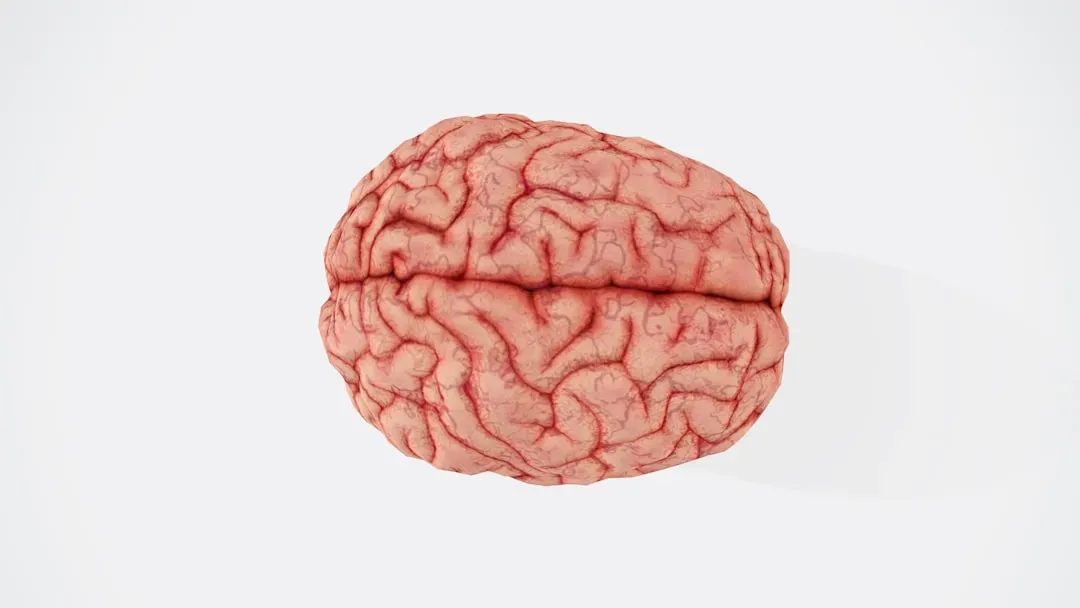
On average, most people dream for around two hours per night. Dreaming can happen during any stage of sleep, but dreams are the most prolific and intense during the rapid eye movement stage. Still, here’s where things get interesting. The paradigmatic assumption that REM sleep is the physiological equivalent of dreaming is in need of fundamental revision, as mounting evidence suggests that dreaming and REM sleep are dissociable states, and that dreaming is controlled by forebrain mechanisms.
The human brain is composed…
—-
Author : Matthias Binder
Publish date : 2026-01-02 08:22:00
Copyright for syndicated content belongs to the linked Source.
—-
1 – 2 – 3 – 4 – 5 – 6 – 7 – 8