Source link : https://las-vegas-news.com/the-physics-behind-why-certain-concert-halls-sound-magical/
Ever walked into a concert hall and felt the music wash over you in a way that made your spine tingle? That’s not just great acoustics – it’s pure physics at work. Some venues seem to breathe life into every note, while others feel flat and lifeless. The difference comes down to how sound waves bounce, bend, and blend inside these architectural masterpieces.
What makes one hall enchanting and another mediocre isn’t magic or luck. It’s a carefully orchestrated dance between geometry, materials, and invisible wavelengths. Let’s dive into the science that turns ordinary spaces into sonic cathedrals.
The Shape of Sound
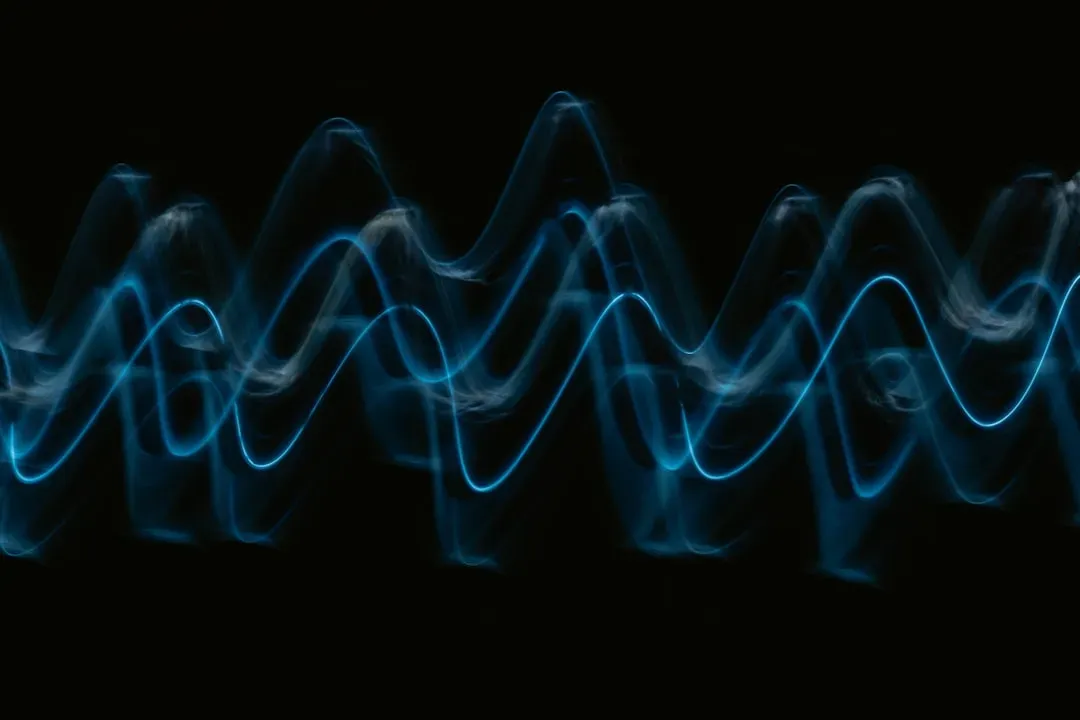
The geometry of a concert hall dictates how sound travels through space. Think of sound waves like ripples in a pond – they spread out in all directions from the source. In a well-designed hall, the ceiling and walls are angled to redirect these waves toward the audience, not away from them. Curved surfaces can focus sound like a lens focuses light, creating sweet spots where everything sounds crystal clear.
Rectangular rooms might seem straightforward, but they can create standing waves – areas where sound gets stuck bouncing back and forth. That’s why many legendary halls feature irregular shapes or asymmetrical designs. The Boston Symphony Hall, for instance, uses a shoebox shape that’s been perfected over centuries of trial and error.
Even the height matters tremendously. Too low, and the…
—-
Author : Matthias Binder
Publish date : 2026-02-11 11:09:00
Copyright for syndicated content belongs to the linked Source.
—-
1 – 2 – 3 – 4 – 5 – 6 – 7 – 8